Where to get a diamond tested
By Nico Melian, developer of the Diamond Tester app
Short answer
"Diamond tester near me" is really four different services. They differ in what they measure, what they hand you at the end, what they cost and whose side they are on. Pick the one that answers your actual question and you will not pay for more than you need, or get talked down by a buyer pretending to be neutral.
The four options
| Where | What they do | What you leave with | Typical cost |
|---|---|---|---|
| Retail jeweler | Multi tester, loupe, quick look | A verbal answer: diamond, moissanite or neither | Often free |
| Pawn shop or gold buyer | Multi tester, sometimes a scale | A verbal answer and usually an offer | Free, because they want to buy |
| Independent appraiser | Testing, measuring, estimated grades, valuation | A written appraisal, usually for insurance | Roughly $50 to $200 per piece, or hourly |
| Gemological lab (GIA, IGI) | Full identification, origin, 4Cs grading | A report with a number anyone can verify | Lab fee by carat weight, plus shipping |
Appraisal prices come from consumer guides and insurer guidance in 2026, which put typical in-store appraisals in roughly that band and hourly rates for complex pieces higher. Lab fees are published by each lab and change during the year, so check the current schedule before you send anything.
Option 1: a retail jeweler
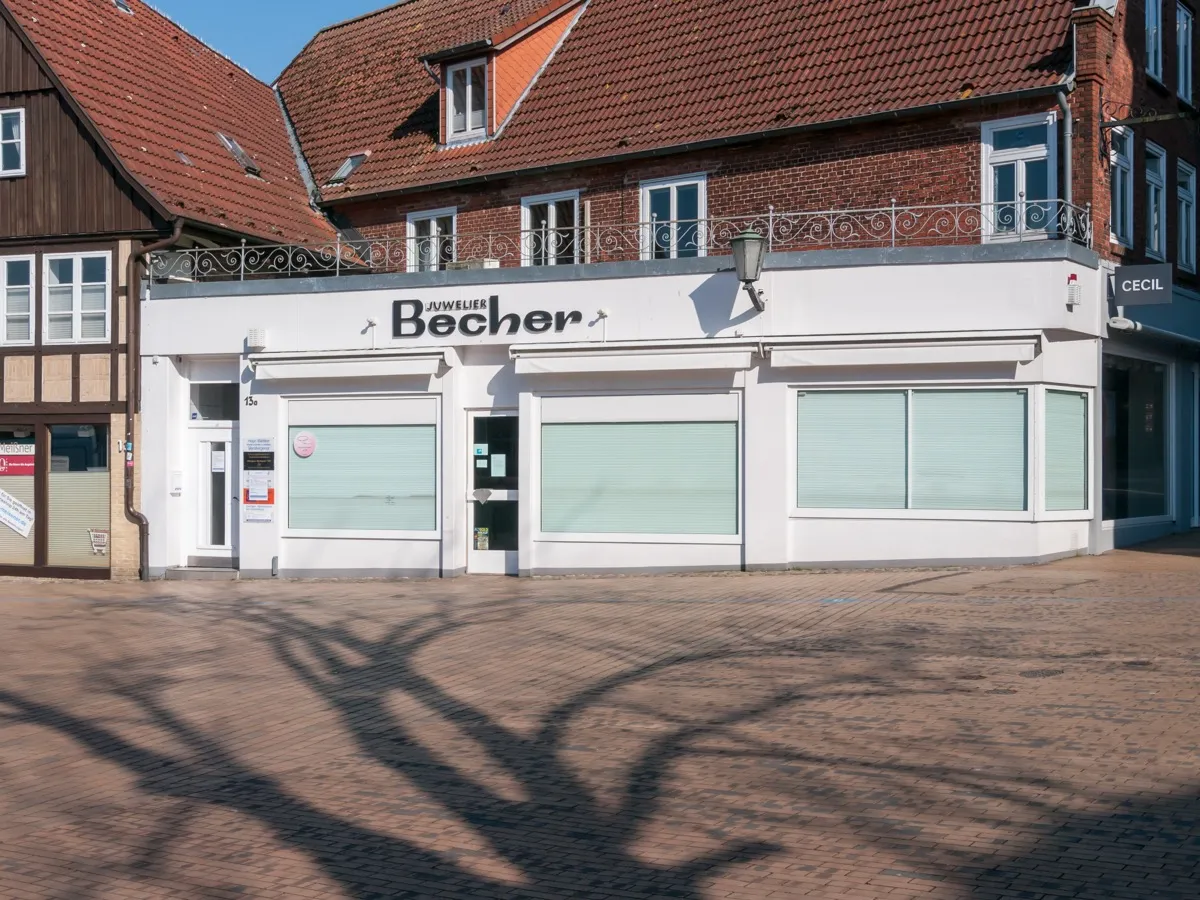
The fastest route. Most jewelers have a multi tester on the counter and will put the probe on your stone while you watch. Many do it free as a courtesy, hoping you come back for cleaning, sizing or a purchase. A few charge a small fee. Ask before they start.
What to ask for
- Which tester they used. If it is a thermal only pen, a diamond result does not rule out moissanite. You want a multi tester.
- To see the result yourself. Ask them to test it facing you so you can see the lights.
- A loupe look at the girdle. Many diamonds and most moissanites have a laser inscription there; a report number is the key to everything else.
What you will not get
A grade or a value in writing. A counter test says what the material is. It does not say whether the diamond is natural or lab grown, because no handheld tester can. That is covered in do lab grown diamonds pass a diamond tester.
Option 2: a pawn shop or gold buyer
They test for free and they test fast, because testing is the first step of buying. That is the problem. The person telling you what the stone is also profits from telling you it is worth less. Most are honest. The structure is still wrong for a neutral answer.
Use a pawn counter if you already plan to sell and want a quick offer. Do not use it as your only source of truth about what the stone is.
Option 3: an independent appraiser
An appraiser tests the stone, measures it, estimates its grades and writes a valuation, usually for insurance. Consumer guides in 2026 put most in-store appraisals at roughly $50 to $200 per piece, with hourly rates for estates and complex jewelry. Insurer Jewelers Mutual advises paying by the hour or a flat fee per piece, never a percentage of the appraised value, because a percentage gives the appraiser a reason to inflate the number.
How to pick one
- Gemology credentials, such as GIA Graduate Gemologist, plus appraisal training through a body like the American Society of Appraisers or the National Association of Jewelry Appraisers.
- Independent of a sale. Not the shop that sold you the ring and not the one offering to buy it.
- Flat or hourly fee, quoted before the work starts.
- Clear about the purpose. An insurance replacement value is normally higher than what you would get by selling. Tell them which number you need.
Option 4: a gemological lab
A lab report is the only answer that travels: a buyer in another city can type the number into the lab's website and see the same result. Labs identify the material, separate natural from lab grown, check for treatments and grade the 4Cs.
GIA says you can submit stones to its laboratory locations, but you need a GIA lab service account first, services vary by location, and in-person drop off is not available everywhere. Many people find it simpler to have a jeweler submit the stone for them, which adds a handling fee. Fees scale with carat weight and report type. Lab grown stones have their own report options; see IGI vs GIA for which lab to pick and diamond certification explained for the full picture.
A lab usually wants a loose stone for a full grading report. If the diamond is set, expect the jeweler to unmount it and reset it afterward, which is another cost and a small risk.
What to bring
- The piece, cleaned. A dirty stone tests worse and looks worse.
- Any paperwork: receipt, old appraisal, lab report, warranty card. A report number saves the most time.
- Photos taken at home first, top and side, so you can check the same piece comes back if it leaves your sight.
- Your question, in one line. "Is this a diamond?" and "What is this worth for insurance?" are different jobs at different prices.
Red flags
- Testing out of your sight. Ask to watch. Stone switching is rare, but there is no reason to allow the opportunity.
- Test, then an instant low offer. If the person testing is also buying, get a second opinion before you decide.
- Appraisal fee based on value. Walk away; it rewards a high number.
- "It beeped, so it is worth a lot." A tester says diamond or not. Grade and size set the price; our price calculator shows by how much.
Which one, by situation
| Situation | Go to |
|---|---|
| Found an old ring, just want to know | Retail jeweler, free counter test |
| Bought online and doubt it | Jeweler test now, lab report if it is expensive |
| Need insurance coverage | Independent appraiser |
| Selling a ring worth real money | Lab report first, then offers from several buyers |
| Diamond or moissanite, nothing else | Any multi tester; see our moissanite tester guide |
For that last row, details are in does moissanite pass a diamond tester. If you would rather test at home, see the best diamond tester and how to use one.
Our take
Start free: a jeweler's counter test with a multi tester settles most "is it real" questions in two minutes. Pay only when you need paper. An appraisal is for insurance, a lab report is for selling or for proving origin. And keep the person testing the stone separate from the person buying it. For what happens once you know it is a diamond, see what is my diamond worth.
FAQ
Will a jeweler test my diamond for free?
How much does it cost to get a diamond tested?
Can a pawn shop tell if a diamond is real?
Can I send a diamond to GIA myself?
Sources
Worth being clear: everything here, and the app itself, is an educational reference. At-home tests narrow things down, they do not certify a stone. Before you buy, sell or insure anything of real value, get it looked at by a certified gemologist or an independent appraiser.
Want a second opinion on the stone in your hand?
Diamond Tester reads a photo and gives you its visual take on the stone, the 4Cs and a value range, plus what to check next. It does not replace a jeweler's tester or a lab report. First scan is free on iOS and Android.


Keep reading
How to find out before you sell.
GIA vs IGI vs EGLWhich diamond certificate counts.
How to tell if a diamond is realEight at-home tests ranked by how much they prove.
How to use a diamond testerThe routine that removes most wrong readings, how to read the lights, and how to test a stone that is still set.
The best diamond tester for your situationA $15 pen, a $250 multi tester and a screener that costs thousands. What each one catches and which to buy.